






We’re not out of the woods yet, not by a long margin. But once again, there are encouraging signs that we are getting there, not least the cancellation of the so-called “circuit breaker” policy for airlines and a host of other lightened anti-COVID measures.
我们还没有走出困境,距离还很远。但再一次,有令人鼓舞的迹象表明我们正在实现这一目标,尤其是取消所谓的航空公司“断路器”政策以及一系列其他宽松的抗新冠措施。
On 11 November was announced the “Notice on Further Optimising the COVID Prevention and Control Measures and doing a Good Job in Scientific and Accurate Prevention and Control” (关于进一步优化新冠肺炎疫情防控措施 科学精准做好防控工作的通知). What a mouthful.
11月11日,国务院办公厅印发《关于进一步优化新冠肺炎疫情防控措施科学精准防控工作的通知》。真是满口啊。
The meaning between the lines is obvious. China wants the world to know that its approach to “Dynamic COVID Zero” is based on science, and not the random, knee-jerk reaction of western countries. We get it, and thanks for the lesson on international diplomacy.
字里行间的意思是显而易见的。中国希望世界知道,其“动态零疫情”的做法是基于科学的,而不是西方国家随意、下意识的反应。我们明白了,感谢您上的国际外交课。
Yet, the new measures announced do make life easier for quite a lot of people.
然而,宣布的新措施确实让很多人的生活变得更轻松。
Among the 20 adjusted regulations are, of course, the obvious. Maintain disinfection efforts, keep on with the nucleic-acid tests, etc.
当然,这20条调整后的规定是显而易见的。保持消毒力度,继续做好核酸检测等。
But then there are new, lightened policies stating the current three categories of risk areas that be “high, medium and low” shall be adjusted to be only “high and low”. And the requirement that it shall no longer be necessary to identify the close contacts of close contacts (of COVID-positive cases), as Nanjing Daily has reported.
但随后又出台了新的宽松政策,将目前的“高、中、低”三类风险领域调整为“高、低”。据《南京日报》报道,不再需要对(新冠病毒阳性病例)密切接触者的密切接触者进行识别。
That’s going to considerably ease the work burden for a lot of people.
这将大大减轻很多人的工作负担。
Elsewhere, we have heard a lot about those working in a “closed-loop” environment in Nanjing, with no access to the outside world whatsoever. The good news for them is that upon their release back into society, the previous “7-day centralised isolation or 7-day home isolation” is now replaced by the requirement to just spend 5 days at home.
在其他地方,我们也听说过很多南京人在“闭环”环境中工作,无法与外界接触。对他们来说,好消息是,回归社会后,以前的“集中隔离7天或居家隔离7天”改为居家隔离5天。
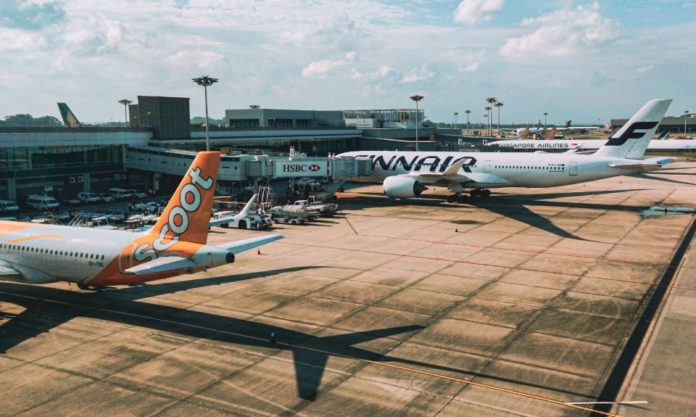
But for readers holding out for international travel, the most promising sign is the incoming cancellation of the “circuit breaker” policy for airlines. The policy, which penalises airlines for importing more than a certain number of COVID-positive cases by denying their flights for a period, has hit the already-beleaguered industry hard.
但对于坚持国际旅行的读者来说,最有希望的迹象是即将取消航空公司的“断路器”政策。这项政策对输入超过一定数量新冠病毒阳性病例的航空公司进行处罚,并在一段时间内拒绝航班,这对本已陷入困境的行业造成了沉重打击。
The new measures therefore come as great news for airlines, disguised in reality as one less major headache.
因此,新措施对航空公司来说是个好消息,但实际上却是一个不那么令人头疼的问题。
The decision, though, has no bearing on foreign airlines’ restrictions on only being able to offer one flight per week to any given destination in China. But with the circuit breaker on the way out, that surely is the next logical step.
不过,这一决定与外国航空公司每周只能提供一趟飞往中国任何特定目的地的航班的限制无关。但随着断路器即将退出,这肯定是下一个合乎逻辑的步骤。
The only question remaining, therefore, is whether there be sufficient demand from people wishing to come to China under the present circumstances to warrant doing so?
因此,剩下的唯一问题是,在目前情况下,希望来中国的人们是否有足够的需求来保证这样做?