


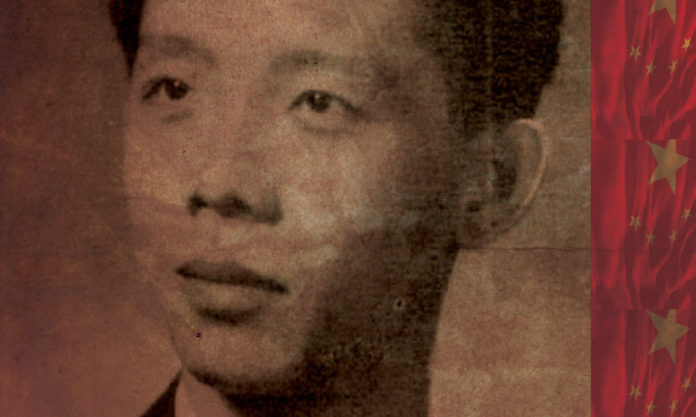
Zhu Dexi (朱德熙) was a man to whom every student of the Chinese language owes a debt of gratitude; with a penchant for the analysis of grammar and rhetoric, Chinese would be a whole lot more impenetrable today were it not for a contribution of which he was blissfully unaware.
朱德熙(朱德熙)是每个汉语学生都欠他的感激之情;他喜欢分析语法和修辞,如果不是因为他对这一贡献而幸福地不知道,今天中文将更加难以穿透。
Born in Nanjing on 24 October, 1920, Zhu hardly started out life destined for a career as an educator; his family largely comprising officials in the Ministry of Finance’s Bureau of Salt.
朱于1920年10月24日出生在南京,他刚刚开始以教育家为职业;他的家庭主要由财政部盐局的官员组成。
Yet, Zhu independently chose to memorise the classics of ancient Chinese poetry at a surprisingly young age. By the time he was 11 or 12 years old, Zhu was devouring classic novels.
然而,朱在令人惊讶的年轻时独立选择背诵中国古代诗歌的经典。 在他11或12岁的时候,朱正在吞噬经典小说。
At age 18, following an initial detour at National Southwestern Associated University to the Physics Department, Zhu found his true calling a year later in the Chinese Department.
18岁时,在国家西南联合大学最初绕道到物理系后,朱在一年后在中文系找到了自己的真正使命。
It was upon graduation that Zhu’s true destiny emerged, lying at the intersection of the Chinese language and foreign higher education. This he first began in 1945 by teaching at l’Université Franco-chinoise de Kunming (昆明中法大学) for 1 year before taking a post in the Chinese department of Tsinghua University in Beijing.
正是在毕业后,朱的真正命运才显现出来,它位于中文和外国高等教育的交叉点。 他于1945年开始在北京清华大学中文系任教1年,然后在北京清华大学中文系任教。
In 1952, now promoted to adjunct professor, Zhu next also began teaching at Peking University, which led to him the same year becoming the first professor of Chinese to teach abroad, when the Ministry of Higher Education assigned him to Sofia University in Bulgaria, where he remained for 3 years.
1952年,现在晋升为兼职教授,朱接下来也开始在北京大学任教,同年,他成为第一位在国外任教的中文教授,当时高等教育部将他分配到保加利亚的索非亚大学,在那里呆了3年。


Returning to China, and to Peking University, Zhu was promoted to professor in 1979 and it was during these years that he also published the bulk of his writings, mostly on the subject of Chinese grammar.
回到中国和北京大学后,朱于1979年晋升为教授,正是在这些年里,他还出版了他的大部分著作,主要是关于中文语法的。
Among the highlights were “Research on Adjectives in Modern Chinese: The Nature and Status Categories of Adjectives” (1956), “Attributive and Adverbial” (1957), ”Grammar, Rhetoric, Composition” (1984) and “Questions and Answers on Grammar” (1985).
亮点包括“现代汉语形容词研究:形容词的性质和地位类别”(1956年)、“属性和副词”(1957年)、“语法、修辞、作文”(1984年)和“语法问题和答案”(1985年)。
Indifferent to fame and fortune throughout his life, Zhu hated ostentation and vanity. During his tenure at Peking University, he had served as Deputy Director of the Chinese Department, Vice President, Dean of the Graduate School and Doctoral Supervisor; positions from which he repeatedly asked to resign, in order to focus on teaching and academic research.
Zhu一生都对名利漠不关心,他讨厌炫耀和虚荣。 在北京大学任职期间,他曾担任中文系副主任、副校长、研究生院院长和博士生导师;为了专注于教学和学术研究,他多次要求辞去这些职位。
Following his death, no less than three books of Zhu’s collective works were published by various houses back in his native China.
在他去世后,朱的集体作品不少于三本书由他的祖国中国的各个家庭出版。
Even his wife, He Kongjing (何孔敬) put pen to paper as widow, in a memoir to her husband entitled, “Sauvignon Blanc – Zhu Dexi its people” (长相思——朱德熙其人), published in 2007 and available today on Amazon.
甚至他的妻子何孔敬(何孔敬)在2007年出版的一本名为《长相思——朱德熙其人》的回忆录中,她丈夫在一本名为《长相思——朱德熙其人》的回忆录中。
Over the course of his career, Zhu had been invited to give lectures, do research and attend conferences in countries and regions such as Australia, Bulgaria, France, Hong Kong, Singapore, Thailand and the USA, even receiving an honorary doctorate from Paris Diderot University in 1986.
在他的职业生涯中,朱受邀在澳大利亚、保加利亚、法国、香港、新加坡、泰国和美国等国家和地区发表演讲、做研究和参加会议,甚至在1986年获得了巴黎狄德罗大学的荣誉博士学位。
Back home, Zhe had become Member of the Standing Committee of the Seventh National People’s Congress, a Representative of the Sixth and Seventh National People’s Congress and an advisor on the Encyclopedia of China.
回到家乡,Zhe曾任第七届全国人大常委、第六届和第七届全国人民代表大会代表和《中国百科全书》顾问。
In 1989, Zhu took what was to be his final teaching post, in the USA, where he worked until passing away from cancer on 19 July, 1992.
1989年,朱在美国担任了他最后的教学职位,直到1992年7月19日因癌症去世。